All patients must first receive an invitation to log in to the patient portal. Invitation links are good for 72 hours
Diabetic wounds aren't like ordinary cuts. Our podiatrists treat foot ulcers, infections, and slow-healing wounds before they become something far more serious.

Foot ulcers are the most common wound complication for people with diabetes. We evaluate the depth, location, and severity of the ulcer and build a targeted treatment plan to get it healing as safely and efficiently as possible.
Foot infections can spread quickly and become dangerous. Our team identifies signs of an infection early, determines how far it's spread, and provides the right treatment to stop it in its tracks.

Debridement means carefully removing dead or damaged tissue to help healthy tissue grow back. It's one of the most effective tools we have for treating these issues, and our team performs it with precision and care.

Keeping a wound properly covered and reducing pressure on the area are both critical to healing. We use advanced wound dressings suited to your specific wound type and, when needed, recommend offloading devices to take pressure off while you recover.
Diabetic wound care isn't something to put off or handle on your own. At Podiatry Group of Arizona, our board-certified podiatrists have the training and experience to treat wounds that aren't healing the way they should. We treat every patient as an individual, because two wounds that look similar can have very different causes and require very different approaches. Our team evaluates the full picture, from circulation and nerve health to wound depth and infection risk, before recommending a treatment plan.
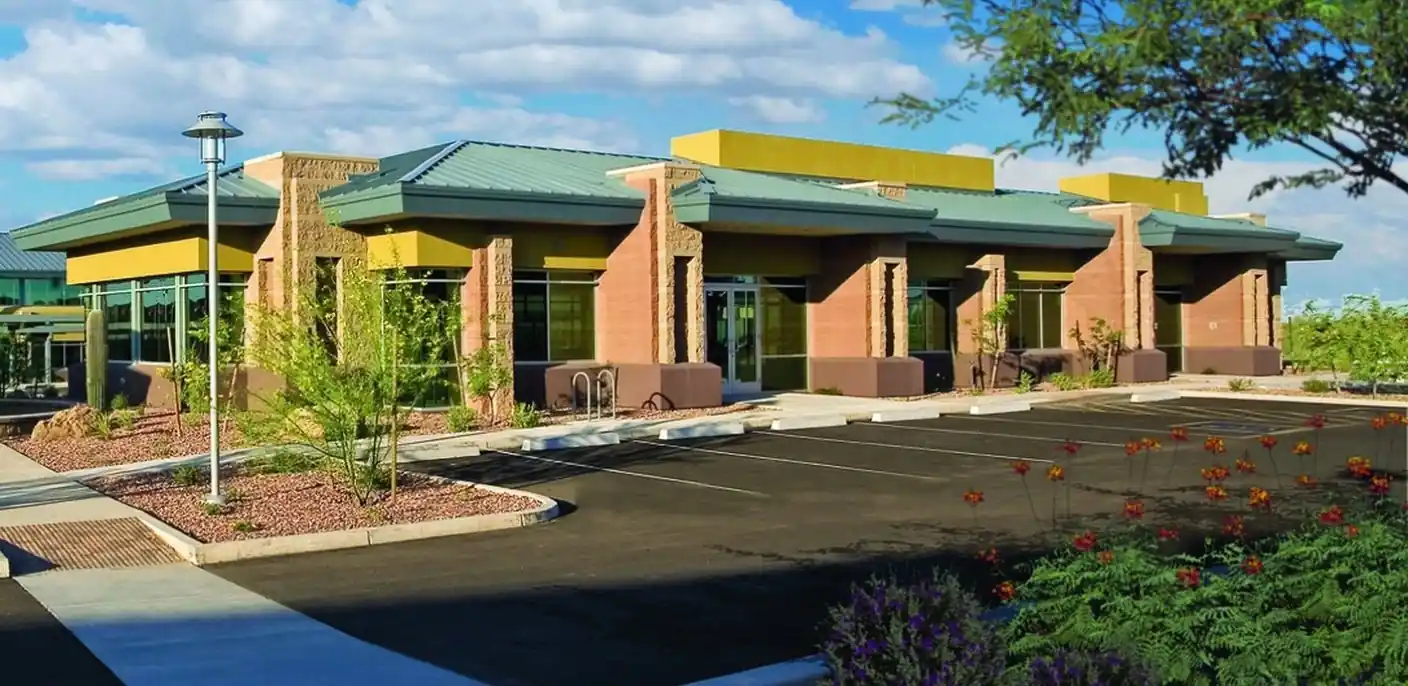
With locations in Phoenix and Anthem, getting the expert care you need doesn't have to mean a long drive. When a wound shows up, we help you take action quickly, confidently, and with the right support every step of the way.

We accept most major insurance plans, including Medicare, and our team is here to help you navigate your benefits. Diabetic wound care is a medically necessary service, and we'll work with you to make sure you understand your coverage before your first visit. Have questions about what's covered? Give us a call, and we'll walk you through it.


Don't wait and hope it gets better on its own. A wound that isn't healing after a week or two, or one that looks red, swollen, or has any discharge, needs to be seen by a podiatrist right away. Diabetic wounds can deteriorate quickly because poor circulation and nerve damage slow the body's natural healing process. The sooner you're seen, the more options we have to treat it effectively.
Treatment depends on the type, location, and severity of the ulcer, but it typically involves cleaning the wound, removing any damaged tissue, applying appropriate dressings, and reducing pressure on the area so it can heal. We also address any underlying factors, like poor circulation or infection, that may be making it harder for the wound to close. Our goal is always to protect as much healthy tissue as possible and help you heal as quickly and safely as possible.
Signs of infection include increased redness or warmth around the wound, swelling, a foul odor, discharge that's cloudy or discolored, and tissue that looks dark or black. You may also notice that the wound seems to be getting larger or deeper rather than improving. If you have neuropathy, you might not feel pain even when an infection is present, which is exactly why regular visual inspection and prompt podiatric care are so important.
It can, but amputation is rarely the first or only option. The vast majority of amputations related to diabetes are preceded by untreated or poorly managed wounds. That's why early treatment is so critical. With proper wound care, infection management, and close monitoring, most patients are able to heal without surgical intervention. Our team's focus is always on saving tissue and limbs whenever possible, using every tool available to promote healing.
Booking is easy! You can schedule online through our website at any time or call either of our locations directly. We have offices in Phoenix and Anthem to serve patients across the greater metro area.
If you're dealing with an active wound, please don't wait. Our team is ready to help you get the right care quickly. We'll look forward to seeing you and getting you on the path to healing!